Web Development Trends 2026: Every year, the web quietly evolves — but 2026 will feel different. It’s not just another cycle of design trends or framework updates; it’s a defining moment in how websites are built, optimized, and experienced. The lines between software, AI, and the browser are dissolving, and the expectations of users have never been higher. Faster isn’t “fast enough” anymore. Smarter isn’t a luxury. Personalization isn’t a bonus feature — it’s the baseline.
What’s truly fascinating is that these shifts are not happening in isolation. Advances in AI, performance engineering, security, privacy, and user experience are intersecting in ways that reshape the very foundation of modern development. From agent-powered interfaces to WebAssembly superapps, from voice-driven navigation to edge-rendered performance, 2026 is shaping up to be the year that forces developers to rethink the web at its deepest layers.
According to DesignRush, edge computing — especially coupled with AI — is rapidly becoming a cornerstone of modern web architectures, enabling ultra-low latency and smarter distributed applications.
Whether you’re building client websites, scaling a SaaS product, or simply staying ahead of industry changes, understanding these emerging trends isn’t optional. It’s your competitive edge. Below, we explore the eight most influential web development trends 2026 that are already defining 2026 — each backed by real-world shifts, evolving user behavior, and the growing capabilities of modern technology.
Let’s dive in.
1. AI-Driven Personalization Becomes the Default Experience.
For the past decade, “personalization” has been a buzzword. But now, it stops being a trend and becomes an expectation. Modern web users don’t just want relevant content — they demand instant, adaptive digital experiences. Websites now learn from user behavior, browsing patterns, location, and even real-time interactions to adjust what the visitor sees.
This shift is powered by lightweight LLMs, edge AI processing, and embedded agent-like behavior inside web applications. Instead of relying on static rules (like showing a product because someone clicked on a similar one), the web is shifting toward predictive UX that makes decisions milliseconds before a user even scrolls.
Brands are already reporting a dramatic lift in conversions when they shift from generic interfaces to adaptive ones.
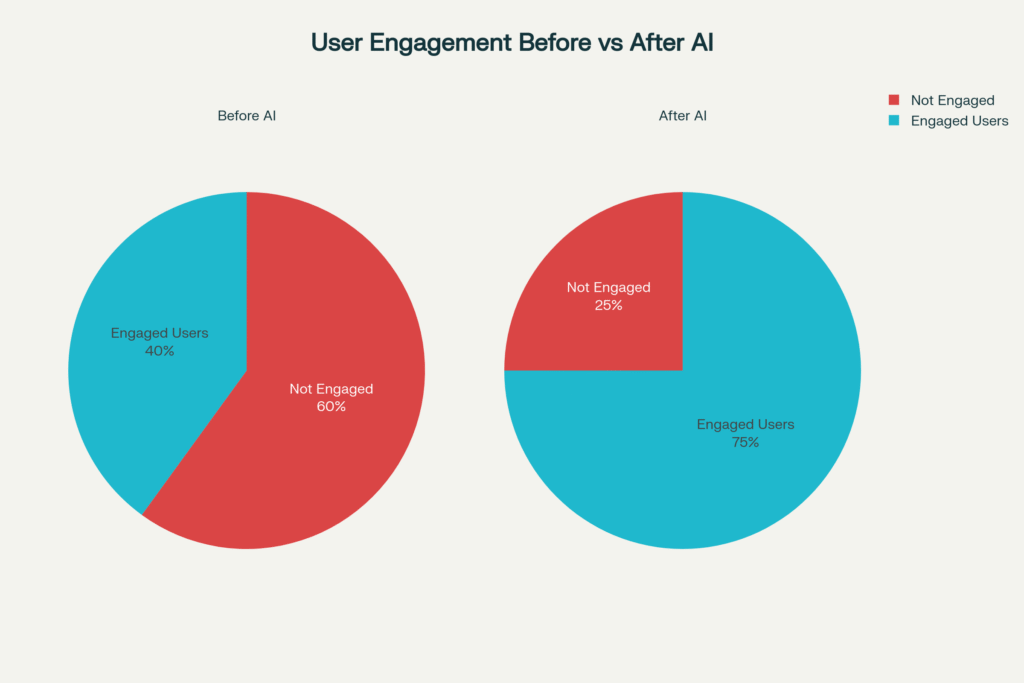
But the biggest win? Developers now spend far less time manually writing conditional logic. With AI APIs and agent frameworks, personalization becomes a fluid system, not a hard-coded feature. The real skill in 2026 is understanding how to design experiences that feel natural — not creepy or overly intrusive — as these AI systems take over core UX logic.
2. Composable Architecture & Headless Everything
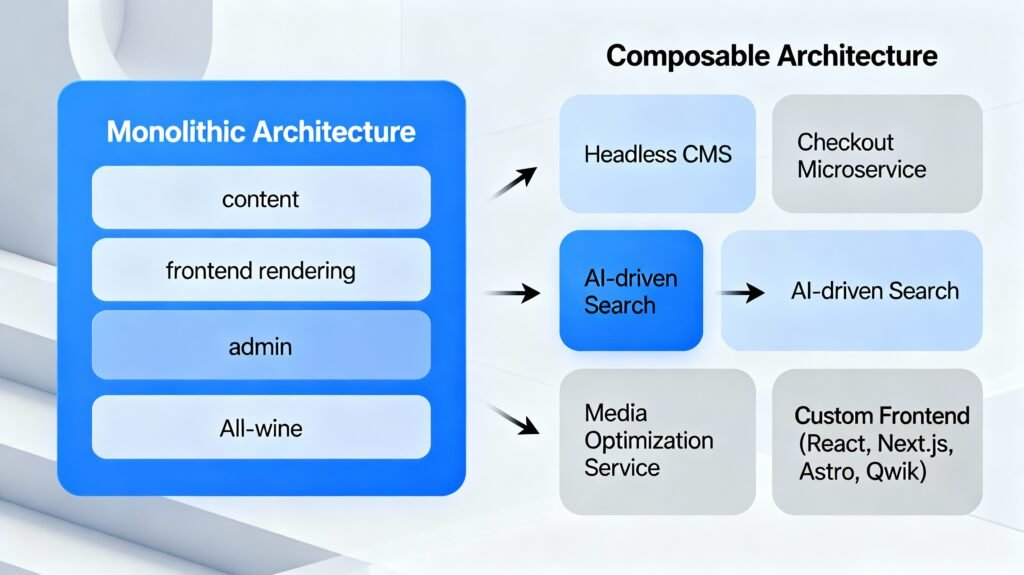
The web used to be monolithic — one system handled everything from content to frontend rendering to admin. Now developers want speed, flexibility, and the ability to integrate best-in-class tools without being locked into one ecosystem. That’s how headless and composable architecture became mainstream, and in 2026, the shift accelerates even more.
A composable system breaks a website into independent services:
- A headless CMS for content
- A dedicated checkout microservice
- An AI-driven search system
- A separate media optimization service
- A custom frontend built in React, Next.js, Astro, or Qwik
Each module is replaceable. Each module can scale independently. And each module can use the best technology available at that moment.
This decoupled approach gives businesses faster performance, better SEO results, and the ability to adapt quickly. For developers, it creates cleaner, more organized workflows and eliminates the “upgrade nightmares” of old traditional platforms.
In 2026, composability becomes the global standard, not a futuristic idea. Companies are even hiring developers specifically for “headless migration” roles — something unheard of just a few years ago.
3. Voice-First & Multimodal Interfaces Become a Real UX Priority in Web Development Trends 2026
Voice assistants were fun toys for years. But in Web Development trends 2026, the combination of advanced speech recognition, multimodal LLMs, and browser-level APIs makes voice-first interaction a major part of modern UX design.
Users now expect to speak, type, tap, and even gesture to interact with websites — especially on mobile. This creates opportunities for businesses to build web experiences that feel more natural and inclusive.
Practical examples already rolling out:
- E-commerce sites allowing full voice-based search and checkout
- Learning platforms using multimodal tutoring interfaces
- Websites that provide hands-free accessibility options
- Apps that allow users to describe what they want verbally instead of clicking through menus
Developers must now design UI flows that work seamlessly whether the user interacts through speech, text, image upload, or a combination of all three. It’s no longer about designing a page — it’s about designing an interaction system.
Voice-first design also ties back to SEO. In fact, natural-language queries are becoming dominant, which changes how content is structured, tagged, and optimized. Websites with conversational content now outperform traditional keyword-stuffed content.
4. Hyper-Optimized Performance Through Edge Computing & Distributed Rendering
Speed has always mattered, but in 2026 it becomes an absolute business mandate. Users don’t tolerate slow pages anymore, and AI-powered ranking systems from Google, Bing, and emerging AI search engines now penalize slow-loading content far more aggressively in this new Web Development trends 2026.
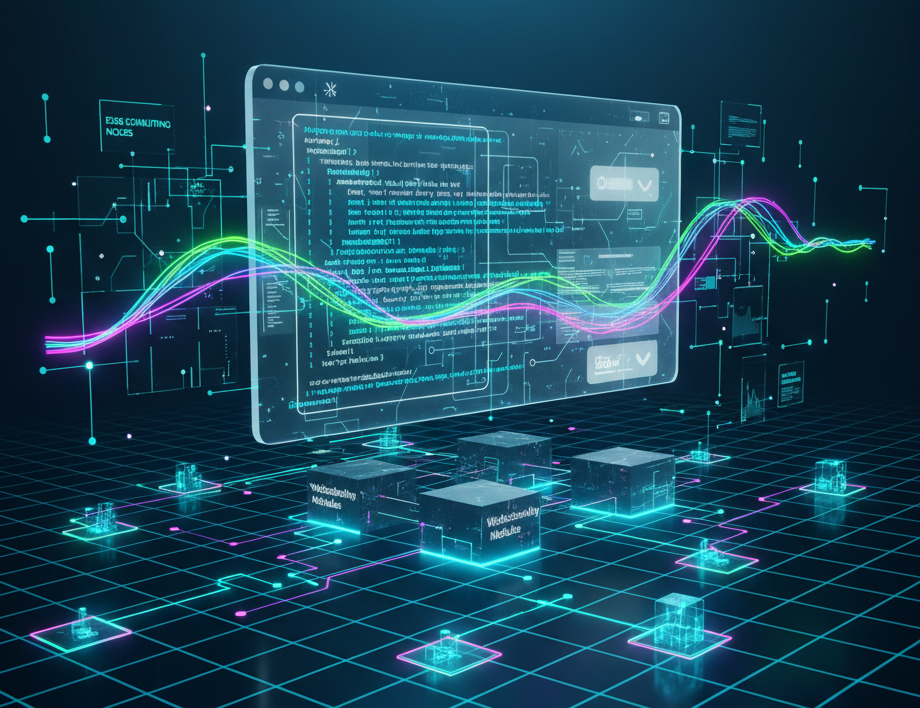
This is why edge computing has exploded across the web ecosystem. Instead of delivering content from one central server, websites now render pages, process requests, and even run AI models from dozens — sometimes hundreds — of geographically distributed nodes.
This shift brings huge advantages:
- Instant page loads for visitors worldwide
- Significantly reduced TTFB (Time to First Byte)
- More stable performance during traffic spikes
- Lower data transfer costs for heavy applications
- Better SEO due to speed being a top-ranking factor
Frameworks like Next.js, SvelteKit, Astro, Remix, and Nuxt have baked edge rendering into their DNA. Even APIs that traditionally ran on single servers now deploy across edge networks through platforms like Cloudflare, Vercel, Netlify, and Fly.io.
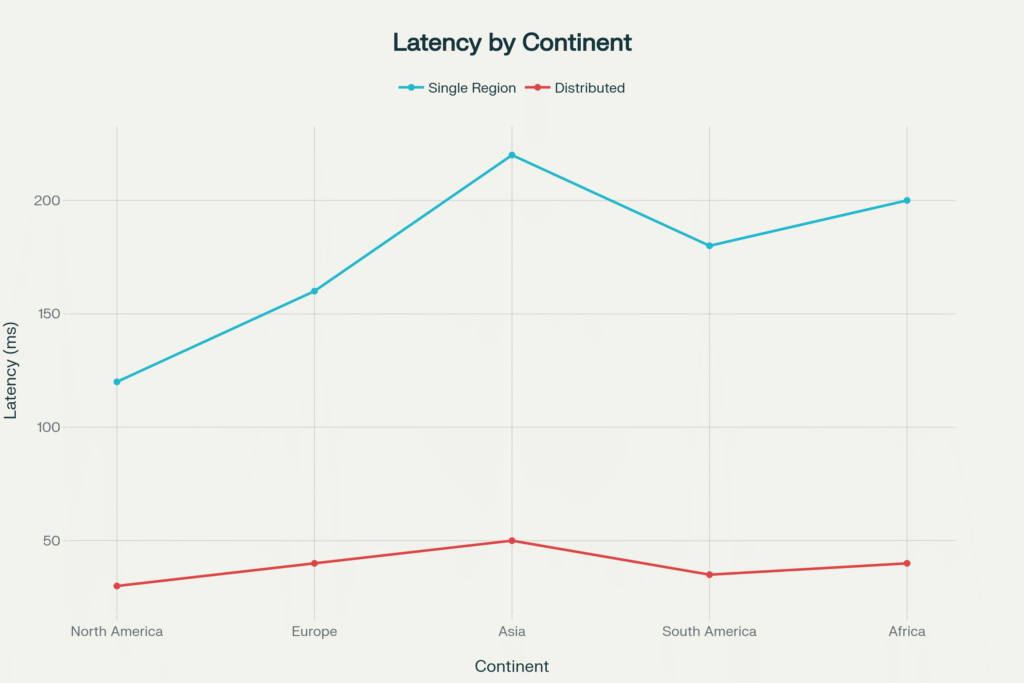
Performance is no longer about “minifying JS and compressing images.” In 2026, it’s a full architectural decision. And developers who master this shift are the ones building the fastest, most scalable apps on the web.
5. Privacy-First Web Development & The Age of User-Controlled Data
The internet is going through a massive change in how personal data is collected and used. With new global regulations, stronger AI scraping restrictions, and increased user awareness, privacy-first web design is no longer an optional ethical choice — it’s a practical requirement.
2026 pushes developers to rethink everything:
- How data is collected
- Where it is stored
- How long it is kept
- Who can access it
- Whether the user explicitly agreed
There is also a significant move toward client-side computation, where sensitive data never leaves the user’s device. Even machine-learning tasks like personalization or recommendations are starting to run locally thanks to smaller LLMs and browser-level ML frameworks.
Additional shifts shaping this trend:
- Cookie-less tracking becoming the norm
- First-party data replacing purchased data
- Local AI improving privacy-sensitive tasks
- Companies adopting “zero-knowledge” protocols
- User dashboards that show exactly what is stored
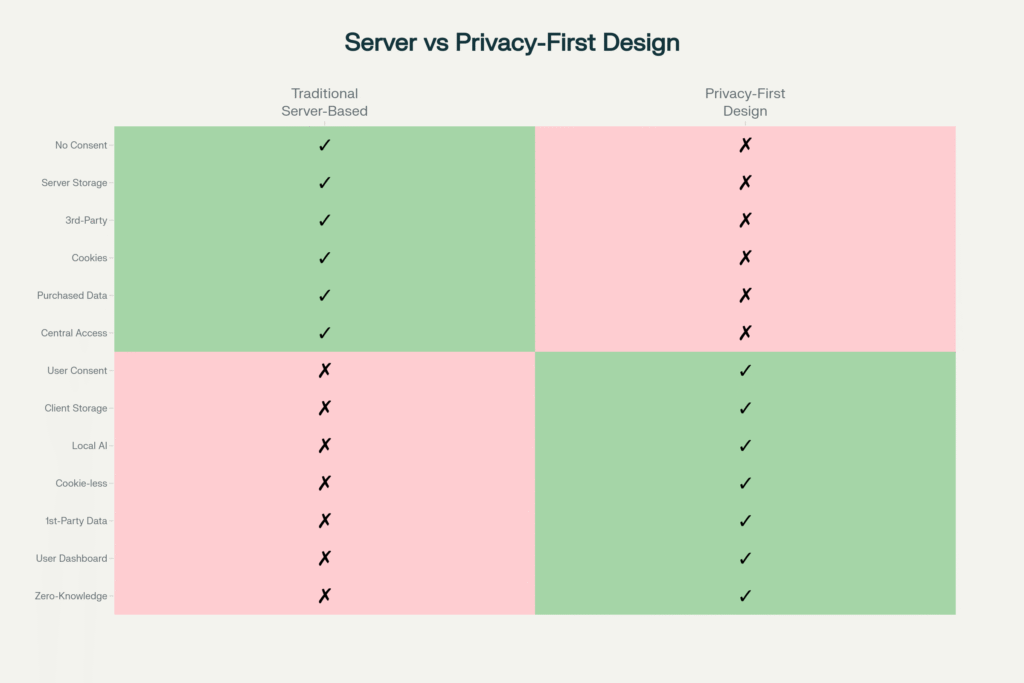
For developers, this means thinking beyond functionality — every feature must respect consent, transparency, and control. The winners of this trend are brands that offer personalization without feeling invasive.
6. Sustainable Web Development & the Green Coding Movement
Sustainability has moved from a niche ethical discussion to a measurable performance metric across tech companies. In 2026, even Google and other search engines evaluate websites based on energy efficiency and carbon footprint.
This trend isn’t just about being environmentally friendly — it affects business ROI. Lightweight, efficient websites load faster, rank better, cost less to host, and convert more visitors.
The green coding movement focuses on:
- Reducing massive JavaScript bundles
- Removing bloated dependencies
- Optimizing image delivery and compression
- Leveraging static or partial-static rendering
- Choosing greener hosting providers
- Using caching and CDN layers aggressively
- Adopting clean, purposeful design systems
Developers are also experimenting with “power budgets” — restricting how many CPU cycles a page is allowed to consume, especially on mobile devices.
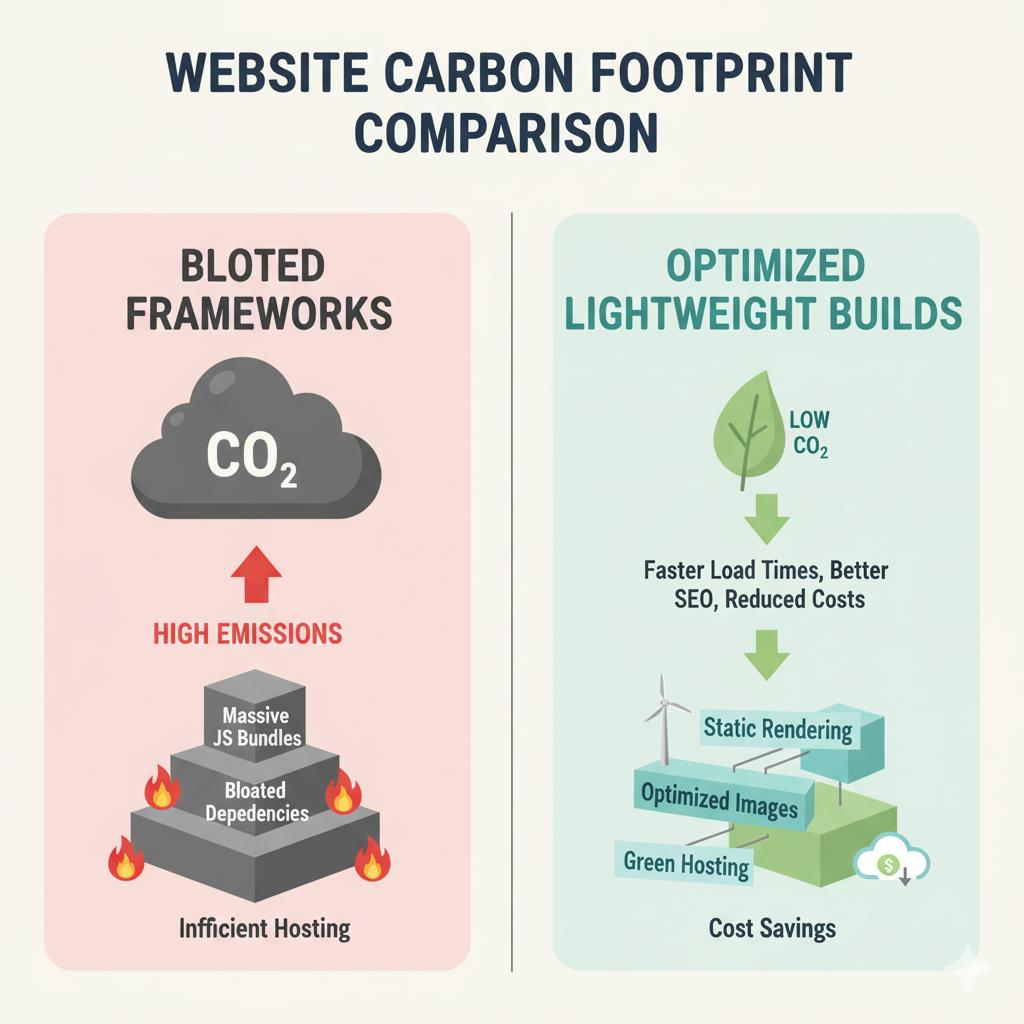
Sustainable development is becoming a badge of quality. Clients love it, search engines favor it, and users appreciate the snappy performance that comes with leaner, greener code.
7. The Emergence of Multimodal AI Assistants Inside Websites
2026 marks the true integration of AI assistants directly inside websites — not the old-school chat widgets, but multimodal AI agents capable of understanding text, voice, images, videos, documents, and even screen interactions.
These assistants do more than answer basic questions; they help users navigate entire interfaces. Imagine a visitor landing on a site and saying:
“Show me the most affordable plan, then compare it to the standard plan, then draft an email I can send to my team.”
And the assistant handles everything in seconds.
Modern multimodal models can:
- Interpret uploaded files
- Summarize long content instantly
- Guide users through forms
- Provide context-aware help (“explain this section”)
- Generate images or documents on the fly
- Offer voice-driven browsing
- Perform on-page actions when permitted
For businesses, this means fewer drop-offs, less friction, and a more interactive customer journey. For developers, it means learning how to integrate AI APIs, build secure interaction boundaries, and train domain-specific agents that actually understand the website’s content.
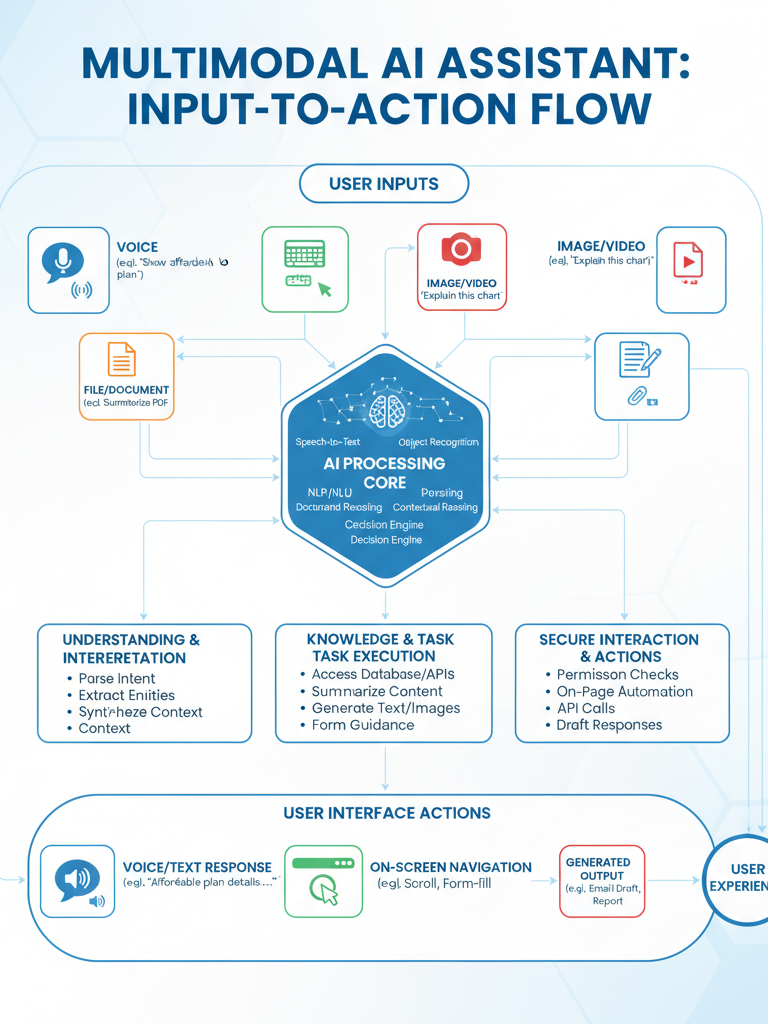
In 2026, websites will not just “display” information — they assist, guide, and adapt. This trend is one of the strongest signals that the web is evolving into a more intelligent, interactive ecosystem.